The UK Tech APPG’s 2025 Annual Dinner brought together parliamentarians, ministers, and senior industry stakeholders for an evening of discussion centred on the UK’s tech future, with a particular focus on AI, skills, and economic growth. The evening began with a drinks reception in the House of Lords, where sponsors Multiverse and Google hosted displays, providing an early opportunity for attendees to engage with current industry initiatives and hold informal conversations.

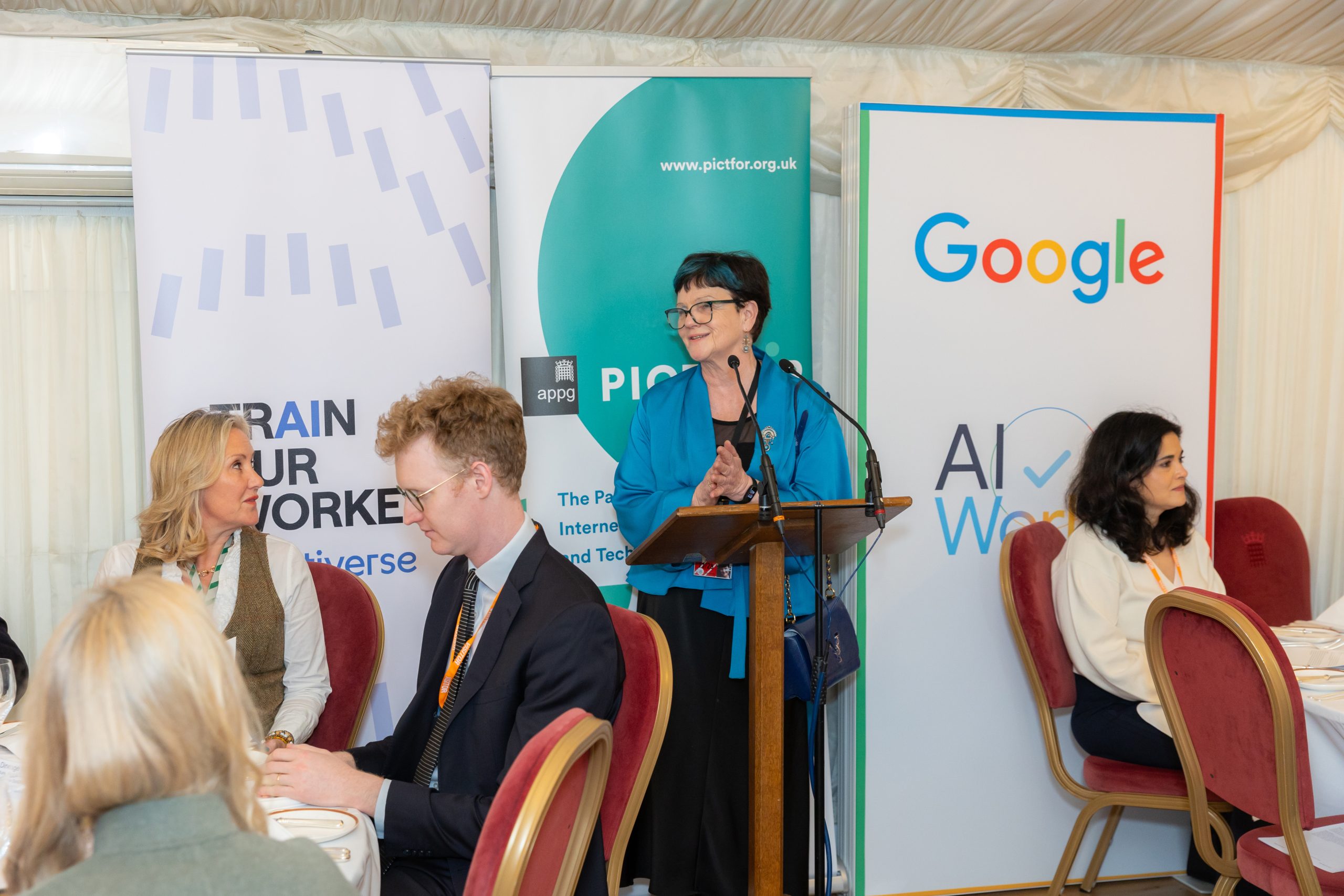
Proceedings formally opened with remarks from UK Tech APPG Treasurer Baroness Neville-Rolfe, who welcomed guests and set the tone for the evening by emphasising the growing influence of digital technologies across all areas of the economy and public life. She highlighted both the opportunities and challenges presented by this transformation, particularly the implications for the labour market and the importance of ensuring that skills development keeps pace with technological change.
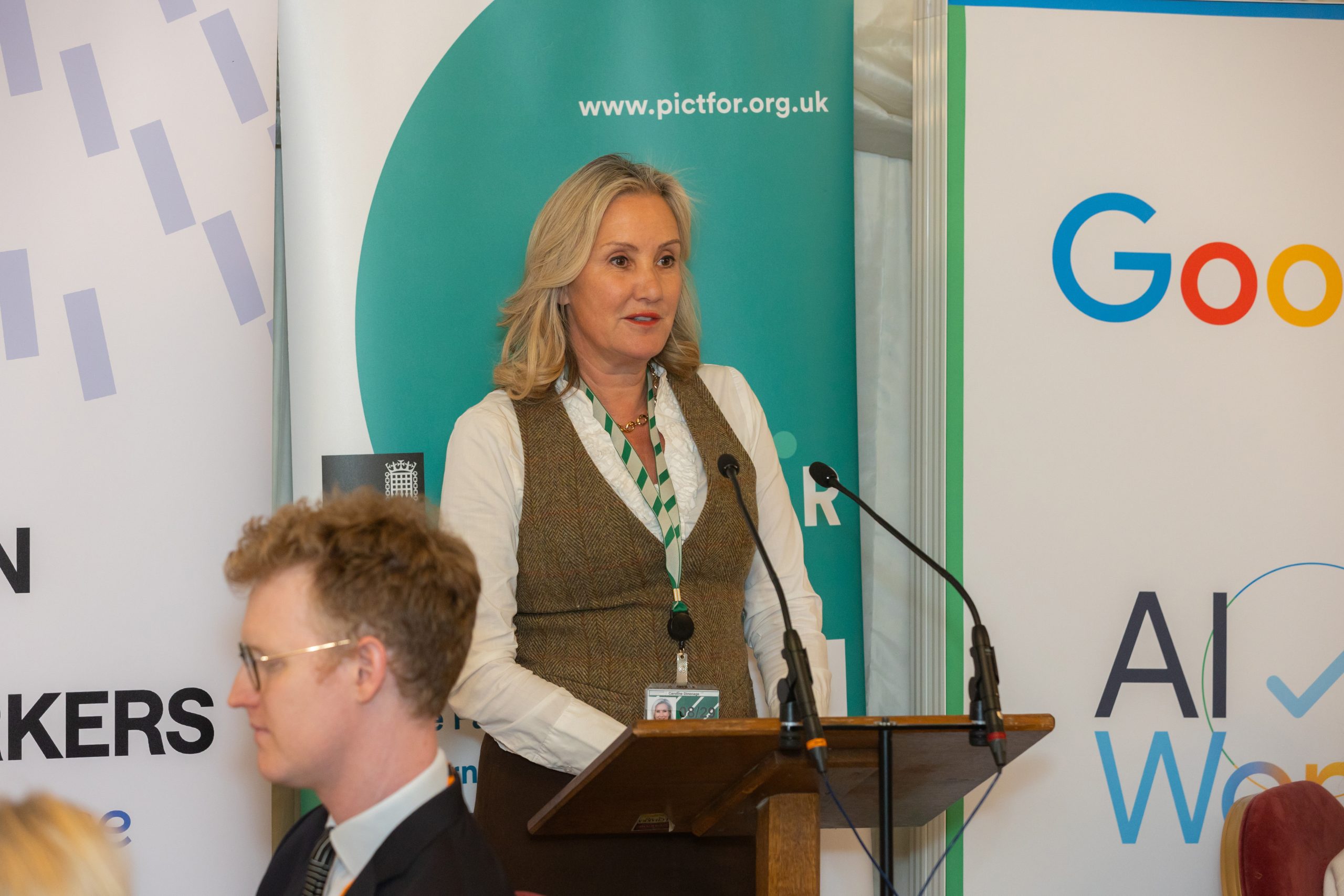
Building on this, Dame Caroline Dinenage MP reflected on the longstanding role of the APPG in convening parliamentarians and the technology sector to support informed policymaking. A key moment in her speech was the announcement of the APPG’s rebrand to the UK Tech APPG, intended to reflect the breadth and pace of change within the sector. The announcement was well received by attendees and positioned the group as entering a refreshed phase, with a forthcoming member consultation designed to shape its future direction and priorities.
The discussion then moved towards the Government’s approach to technology and growth, with Exchequer Secretary Dan Tomlinson MP being welcomed to present a speech and outlining ongoing efforts to embed digital transformation within public services, particularly within HMRC. He highlighted the tangible impact of AI and machine learning, including significant gains in tax compliance, and emphasised the value of collaboration between Government and industry in accelerating innovation. His remarks linked technological capability directly to economic outcomes, reinforcing the role of the tech sector in driving productivity and improving living standards.

Dr Ben Spencer MP, Shadow Minister for the Department for Science, Innovation and Technology, delivered a speech focused on the UK’s structural challenges in scaling technology businesses. While recognising the country’s strengths in research, talent, and early-stage investment, he highlighted the need to retain and grow companies domestically. His contribution reinforced the importance of creating a policy environment that supports both innovation and long-term business growth. He also expanded on the labour market implications of AI, stressing that rapid technological change will require proactive support for workforce transition, a point that aligned closely with earlier remarks on skills and adaptation.

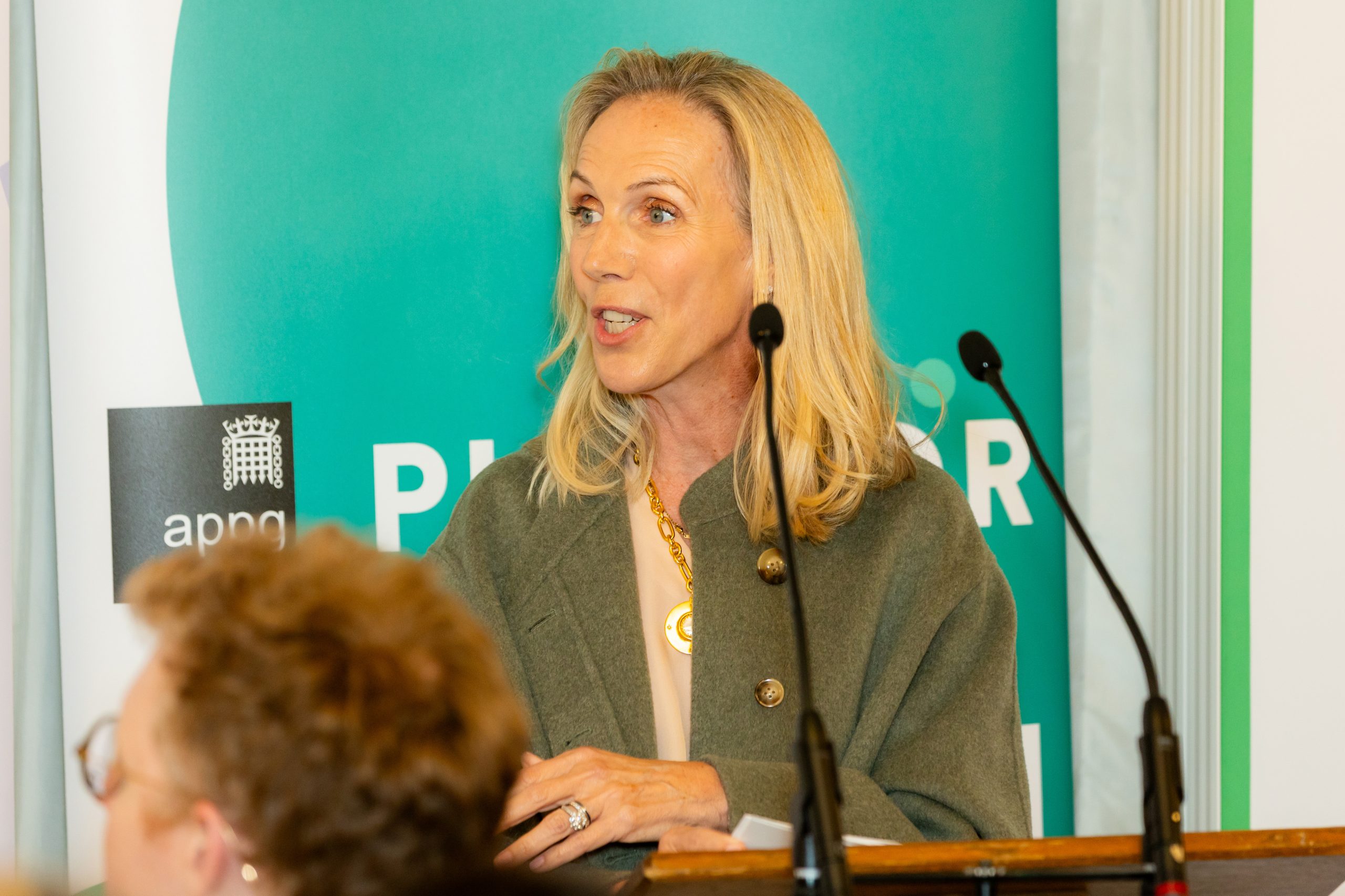
From an industry perspective, Kate Alessi, Vice President and Managing Director, Google UK & Ireland provided a detailed overview of the economic potential of AI, including its capacity to generate substantial value for the UK economy. However, she emphasised that this potential will only be realised through widespread adoption and effective use, placing skills and digital inclusion at the centre of the discussion. Her remarks built directly on earlier themes by outlining practical initiatives to support workforce readiness, including large-scale training programmes and community-based projects. She also highlighted the importance of trust and safety in AI deployment, reinforcing the need for continued collaboration between industry and policymakers.
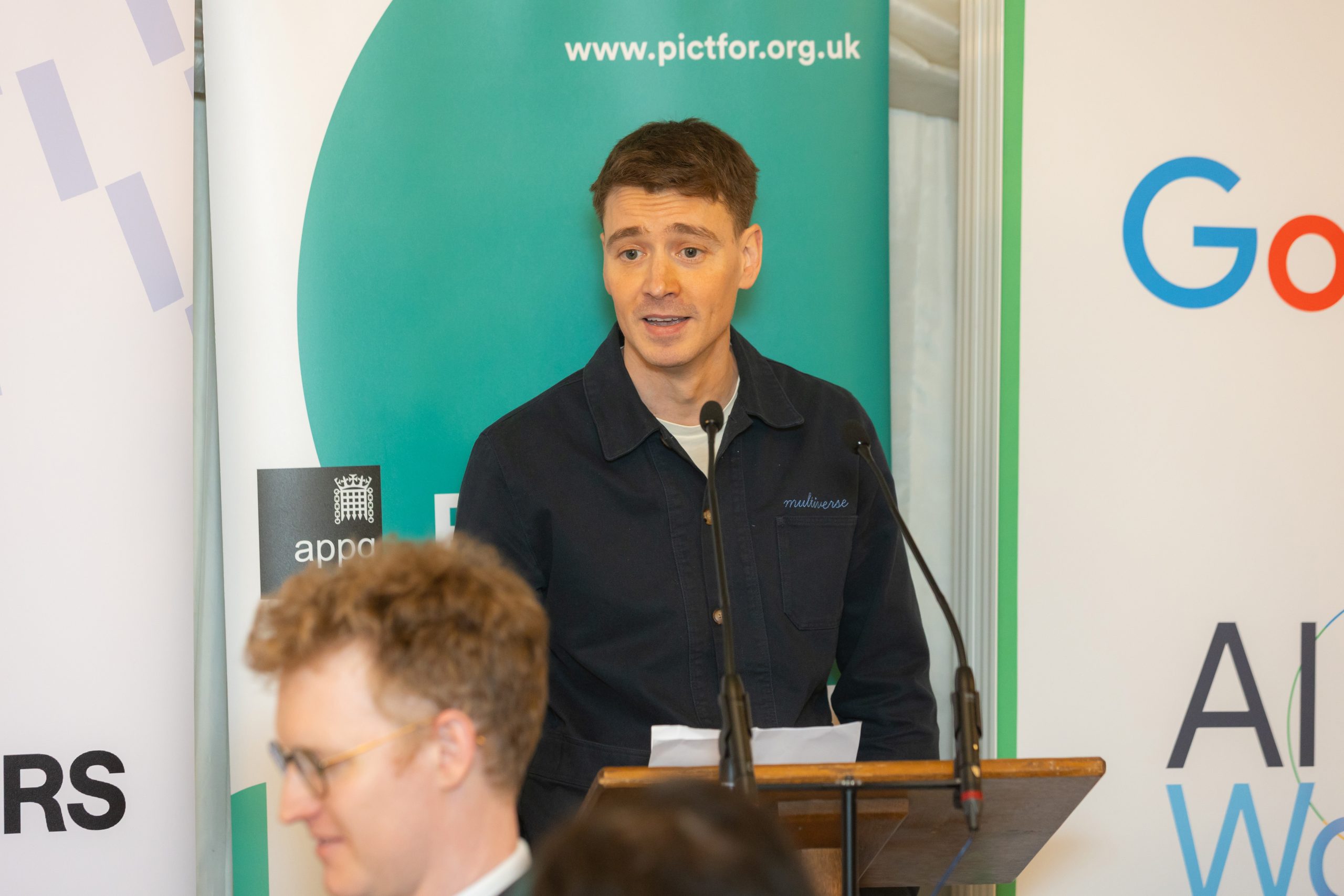
This focus on skills was further developed by Euan Blair, Founder of Multiverse, who emphasised the urgency of equipping the workforce for an AI-driven economy. He argued that AI capability must extend beyond technical roles and be embedded across all sectors, highlighting the role of applied, on-the-job learning in achieving this. His remarks drew attention to declining employer investment in training and framed this as a key barrier to effective transition. Echoing earlier contributions, he stressed that without coordinated action, there is a risk of significant labour market disruption, positioning skills and reskilling as central to ensuring that technological change delivers broad-based economic benefits.
The speeches were followed by a three-course dinner, during which attendees continued discussions and networked over dinner. The event concluded on a positive note, with strong engagement throughout and a warm reception to the APPG’s rebrand.

The UK Tech APPG is pleased with the event, the strong turnout and feedback, and the sense of momentum and purpose as the group looks ahead to its next phase.